
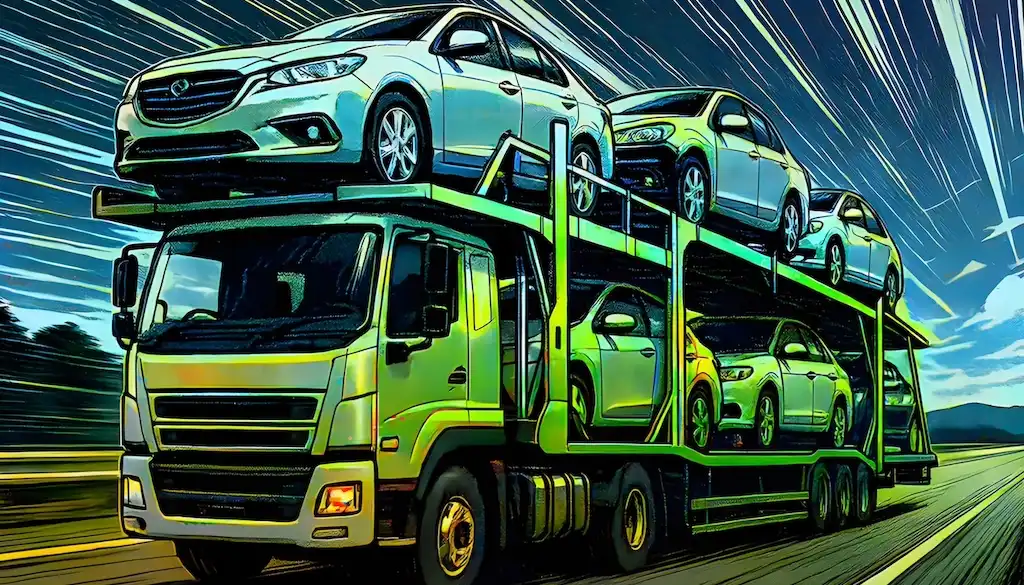
Working out the true cost of interstate vehicle in Australia is a decision many individuals face. This is regardless of whether you’re relocating, buying a vehicle from interstate, or sending one to a family member.
While most people start this journey searching for price comparisons, the real cost of interstate vehicle transport includes more than just a dollar figure. It involves understanding service levels, timing, customer expectations and what separates one transport provider from the next.
In this article, we’ll walk you through the key components that affect cost, the kinds of vehicles most frequently shipped, and the deeper advantages of working with established transport companies like Move Cars. These insights come directly from how thousands of Australians are using transport platforms—and what you can learn from their behavior.
What Do Vehicle Transport Providers Actually Provide?
At its core, a vehicle transport provider like Move Cars helps Australians move their vehicles from one state to another. This can be through a door-to-door service, where the vehicle is picked up and delivered to specific addresses, or depot-to-depot, where drop-off and pick-up happen at pre-arranged service locations.
While it may seem straightforward, the logistics can be complex.
Transport providers make use of a broad network of carriers that operate routes nationally, allowing them to support flexible delivery windows, manage high-volume demand and address the needs of both individuals and businesses.
The types of services can vary. From enclosed transport for classic cars to standard open-air shipping for everyday vehicles where each option influences pricing, insurance considerations, and delivery timelines.
Who Uses Move Cars. and Why?
The audience for these services is wider than you might expect. While some customers are seasoned car buyers using online marketplaces, many are first-time users unsure about the process.
This includes:
- Individuals relocating for work or lifestyle changes
- Car owners selling their vehicles across states
- People buying used cars online
- Parents sending a car to their children at university
- Enthusiasts moving collectible vehicles
Most of these users are looking for more than affordability.
They want reliability, guidance and reassurance that their car will arrive safely.
As a result, educational content like transport guides, detailed FAQs and quote calculators are becoming increasingly important in building customer trust.
Understanding the Pricing Model: Beyond Per Kilometre
At a glance, vehicle transport pricing appears simple; often calculated as a cost per kilometre. But the full cost includes several other variables:
- Distance and route complexity
- Vehicle size and condition
- Location type (metro vs rural)
- Time of year and demand cycles
- Pickup and delivery flexibility
- Insurance requirements
For instance, transporting a small sedan from Melbourne to Sydney under flexible delivery conditions will typically cost less than moving a large SUV to a remote town in far north Queensland on a tight deadline.
Companies like Move Cars offer an online quote calculator that allows users to enter specific pickup and drop-off points, type of vehicle and preferred delivery options. The system then provides a price range that helps manage expectations and avoid hidden charges.
What Are the Hidden Costs to Watch Out For?
The true cost of transport also includes the cost of confusion.
Customers who don’t understand how interstate transport works may choose the wrong provider, experience delays or end up paying for services they didn’t need.
Common misunderstandings include:
- Assuming delivery is always door-to-door
- Believing insurance is automatically included
- Not accounting for depot fees or rural surcharges
- Misjudging timeframes, especially during holidays
This is where well-designed platforms really stand out. Providers that explain the process clearly, offer visual quote breakdowns and supply useful resources, like checklists and preparation instructions, can prevent these issues before they happen.
What Vehicles Are Being Shipped Most?
Data from thousands of quote requests show that Australians are shipping a wide variety of vehicles, but Toyota models dominate the list; especially the Corolla, Camry, RAV4, Hilux, and LandCruiser.
Other frequent makes include Mazda, Ford, Hyundai, and Holden.
This pattern reflects broader ownership trends across the country, but it also tells us something about transport logistics: many of these are family-sized cars or utes, which are relatively straightforward to load and accommodate.
That makes them cheaper and faster to transport than modified vehicles, classic cars, or non-runners that require special handling.
When Are People Requesting Quotes?
Quote request data reveals strong timing patterns. Activity tends to spike on weekdays, with Monday and Tuesday seeing the most traffic. Hourly data shows people typically submit quotes between 8 AM and 5 PM, with a noticeable peak just before lunch.
Why does this matter?
Because it shows you when Australians are thinking about their logistics and when they’re likely to respond to email confirmations, booking requests or follow-up calls. Understanding these windows can help companies improve their booking rates and service speed.
What Makes a Great Transport Provider?
With many players in the market, not all providers are created equal. Some companies rely heavily on third-party aggregators or subcontractors. Others offer only depot-based services, limiting their flexibility.
Look for platforms and carriers that include features like:
- Instant quote calculators
- Detailed online pricing breakdowns
- Pickup and delivery flexibility
- Educational transport tips
- A national network of trusted carriers
- Friendly support from people who know the industry
These features don’t just help the customer, they also save time for the company, reduce questions and encourage higher satisfaction.
How Do These Insights Help You Make Better Decisions?
When you’re choosing how to move your vehicle interstate, it’s easy to focus solely on price.
But the better question is: “What are you getting for that price?“
Companies that provide clear service options, upfront pricing, educational tools and human support stand out in a crowded market.
And if you’re an end-customer considering interstate car transport, these insights are equally valuable. They help you understand the companies that know how to deliver a great service.
Final Thoughts: It’s About More Than Just Moving a Car
Transporting a vehicle interstate is more than a transaction. It’s a service experience. The true cost of interstate vehicle transport involves time, confidence, understanding and support.
If you’re a car owner, knowing what affects pricing will help you make smarter choices and avoid surprises. If you’re a business, knowing what customers care about lets you build better, more transparent services.
Move Cars doesn’t just deliver vehicles. It helps customers navigate one of the more stressful parts of relocation with tools that make the process clear, affordable, and manageable.
Whether you’re shipping your first car or your fiftieth, the value lies not just in the destination but in how you get there.
Find the true cost of transporting your vehicle with our easy-to-use car transport customised quote request form.